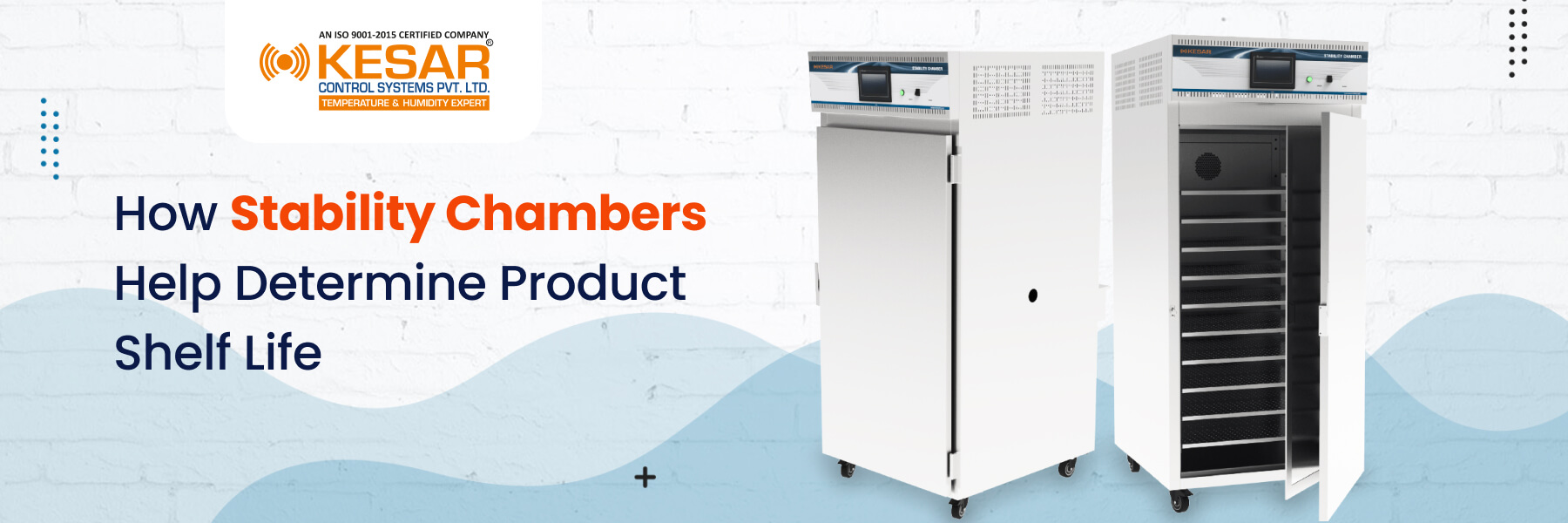
How Stability Chambers Help Determine Product Shelf Life
When you buy a medicine, you expect it to be safe and work well until the expiry date. Have you ever thought about how companies figure out that a medicine can be stored for two years or more?
The answer is stability testing. Before a medicine can be sold, companies need to prove that it will stay safe and effective over time. This is where stability chambers come in. They create controlled conditions to test the medicine.
Understanding Product Shelf Life
Product shelf life is the period during which a product remains safe and effective when stored properly. For medicines, this means maintaining their strength, safety, appearance, and overall quality throughout their intended lifespan.
Determining shelf life is not a matter of guesswork. Companies must conduct studies to demonstrate that their products remain stable under specific storage conditions.
Without these studies, there would be no reliable way to know how long a medicine remains safe for use.
Why Stability Testing Is Important
Medicines can change when they are exposed to heat, moisture, or light. Over time, these changes can reduce effectiveness or even make the product unsafe.
For example, excess moisture can cause tablets to break down, while high temperatures may degrade active ingredients. Even packaging materials can be affected by environmental conditions.
Stability testing helps companies understand how their products behave over time.
The information gathered from these studies is used to:
- Determine product expiry dates
- Establish proper storage conditions
- Monitor product quality over time
- Meet regulatory requirements
- Obtain approval for market release
How a Stability Chamber Supports Shelf-Life Studies
A stability chamber is a specially designed enclosure that controls temperature and humidity. This allows companies to test products under conditions that simulate real-world storage environments.
Instead of waiting years to observe natural product degradation, companies can use stability chambers to evaluate product performance under controlled conditions.
Product samples are placed inside the chamber and examined at regular intervals. This helps manufacturers determine whether the product maintains its quality throughout the testing period.
Because the environmental conditions remain consistent, the results are reliable and scientifically valid.
Types of Stability Studies Used to Determine Shelf Life
Long-Term Stability Testing
Long-term studies are conducted under recommended storage conditions and may continue for several months or years.
These studies provide data on how a product behaves throughout its expected shelf life.
Accelerated Stability Testing
Accelerated studies use higher temperature and humidity levels to speed up the degradation process.
For pharmaceutical products, common conditions include 40°C and 75% relative humidity. These studies help manufacturers predict long-term stability within a shorter period.
Intermediate Stability Testing
Sometimes accelerated studies produce unexpected results. In such cases, intermediate studies are performed under moderate conditions to gain additional insights.
These studies help manufacturers establish accurate shelf-life data.
What Do Manufacturers Monitor During Stability Studies?
Determining shelf life involves much more than simply storing a product inside a chamber.
Manufacturers regularly monitor:
- Product appearance
- Color changes
- Odor changes
- Moisture content
- Dissolution performance
- Potency and assay values
- Impurity levels
- Packaging integrity
- Microbiological quality
Any significant changes in these parameters may indicate reduced product stability.
The Importance of Controlled Environmental Conditions
One of the biggest challenges in stability testing is maintaining consistent environmental conditions.
Even minor fluctuations in temperature or humidity can affect study results and reduce data reliability. That is why modern stability chambers are designed to:
- Maintain accurate temperature control
- Regulate humidity precisely
- Ensure uniform airflow distribution
- Continuously monitor testing conditions
- Record data reliably
These features help ensure that any observed product changes are due to the testing process rather than environmental variations.
Stability Testing and Regulatory Compliance
Regulatory agencies worldwide require stability testing before pharmaceutical products can be approved for sale.
Industry guidelines specify how stability studies should be conducted, how long they should last, and what data must be collected. These standards help ensure consistency and reliability across the pharmaceutical industry.
A properly designed stability study performed in a reliable stability chamber helps manufacturers generate the data required for regulatory approval.
Common Challenges During Shelf-Life Studies
Although stability testing is a well-established practice, manufacturers often encounter challenges such as:
- Temperature and humidity fluctuations
- Improper equipment calibration
- Uneven airflow distribution
- Data recording errors
- Sample handling mistakes
Addressing these issues requires reliable equipment, routine maintenance, and adherence to testing protocols.
Conclusion
Determining a medicine's shelf life is essential for ensuring quality, safety, and regulatory compliance. Manufacturers cannot simply estimate how long a product will remain effective. They must conduct scientific studies to support their conclusions.
Stability chambers make this possible by providing controlled environmental conditions for long-term, accelerated, and intermediate testing. These chambers help manufacturers generate accurate data, establish reliable expiry dates, and ensure that medicines remain safe and effective throughout their intended shelf life.
As industry standards continue to evolve, stability chambers will remain an essential tool for product quality assurance and pharmaceutical research.
Previous Blogs
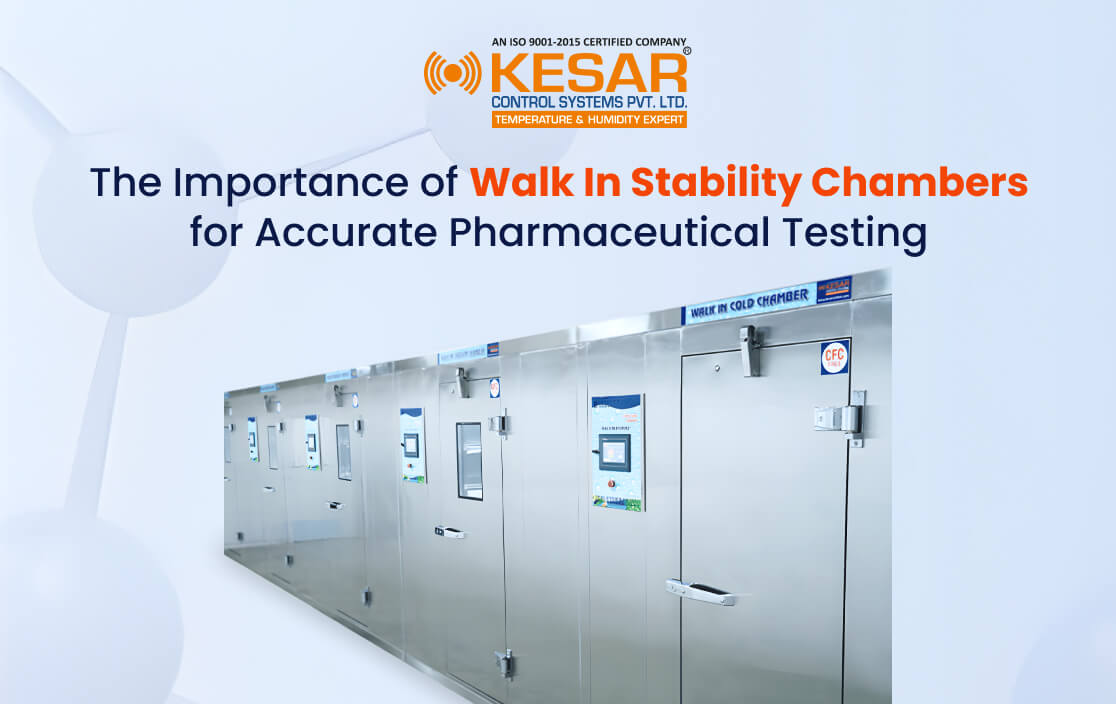
The Importance of Walk-In Stability Chambers for Accurate Pharmaceutical Testing
In the highly regulated pharmaceutical industry, ensuring product stability is essential for safety, efficacy, and compliance. Environmental condition...
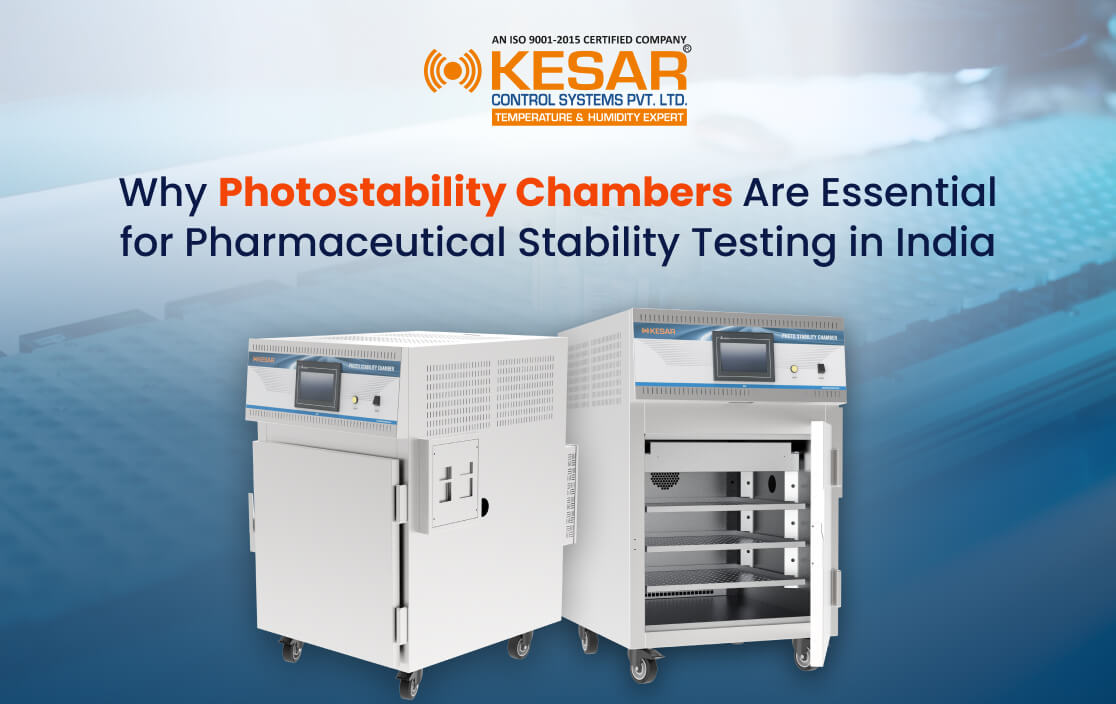
Why Photostability Chambers Are Essential for Pharmaceutical Stability Testing in India
Advanced Photostability Chamber for ICH-Compliant Stability Testing Kesar Control Systems is a trusted photostability chamber manufacturer in India...

Why Indian Pharma Companies Prefer Advanced Humidity Chamber Manufacturers in India
Introduction The Indian pharmaceutical industry is experiencing rapid growth due to increasing global demand, rising exports, and strict regulatory...
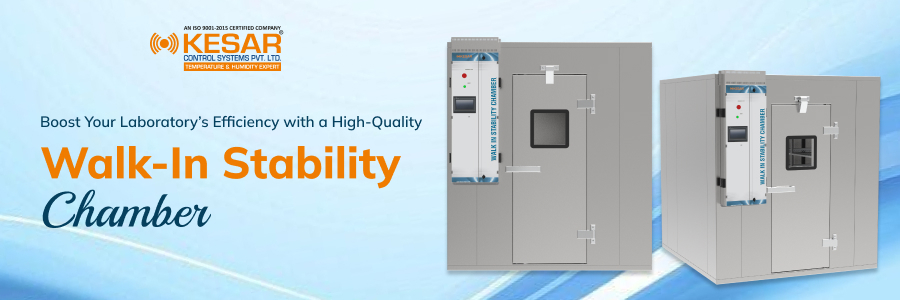
Boost Your Laboratorys Efficiency with a High Quality Walk In Stability Chamber
Introduction: Why Lab Efficiency Matters More Than EverIn todays competitive pharmaceutical, biotechnology, and research secto...
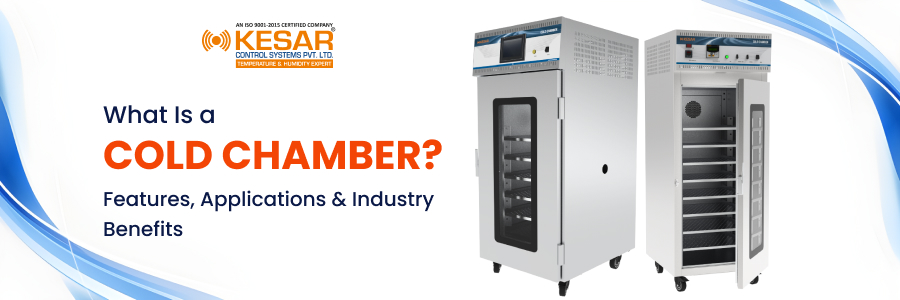
What Is a Cold Chamber Features Applications and Industry Benefits
In industries where temperature-sensitive products are critical to safety, quality, and compliance, cold chambers...