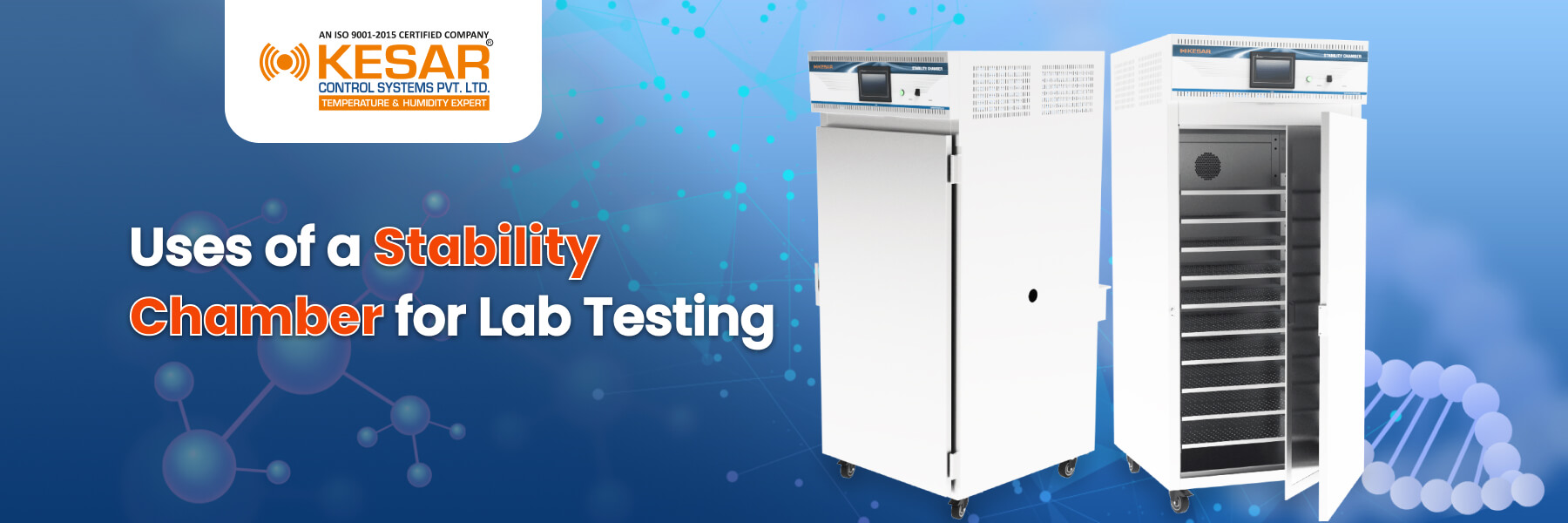
What Is a Stability Chamber and How Does It Work?
In industries where product quality, safety, and regulatory compliance are critical, understanding how products behave under different environmental conditions is essential. Whether it is a pharmaceutical drug, food product, cosmetic formulation, or specialty chemical, manufacturers need reliable data to determine how long a product will remain safe, effective, and stable throughout its lifecycle.
This is where stability chambers play a vital role.
A stability chamber creates controlled environmental conditions that simulate real-world storage and transportation environments. By exposing products to specific temperature and humidity levels over time, manufacturers can evaluate product stability, predict shelf life, validate packaging performance, and ensure compliance with global regulatory standards.
In this guide, we explain what a stability chamber is, how it works, and why it is an essential tool for quality control and stability testing.
What Is a Stability Chamber?
A stability chamber is a specialized environmental testing chamber designed to maintain precise temperature and humidity conditions for extended periods. It allows manufacturers to assess how products respond to environmental factors such as heat, moisture, refrigeration, and changing climatic conditions.
Stability chambers are widely used for:
- Pharmaceutical stability studies
- Shelf-life testing
- Packaging validation
- Accelerated aging studies
- Product development
- Quality control testing
- Regulatory compliance
The primary purpose of a stability chamber is to generate reliable, repeatable data about a product's performance over time under defined environmental conditions.
Why Stability Testing Is Important
Environmental conditions can significantly affect product quality. Exposure to temperature fluctuations or humidity variations may alter a product's physical, chemical, or microbiological characteristics.
Without proper stability testing, manufacturers may encounter:
- Reduced product effectiveness
- Incorrect expiry date assignments
- Product recalls
- Regulatory non-compliance
- Customer complaints
- Increased operational costs
Stability testing helps identify these risks before products reach the market. It also supports informed decisions regarding formulation, packaging, storage, and distribution strategies.
Related Reading: Common Quality Control Failures and How Stability Chambers Help Prevent Them
How Does a Stability Chamber Work?
A stability chamber maintains a controlled environment through the precise regulation of temperature, humidity, and airflow. Products are stored inside the chamber and monitored over a defined period to evaluate how they respond to environmental stress.
Temperature Control
Advanced heating and cooling systems maintain stable temperatures throughout the chamber.
Common testing conditions include:
- Refrigerated studies: 2°C to 8°C
- Long-term studies: 25°C ± 2°C
- Accelerated studies: 40°C ± 2°C
Uniform temperature control ensures every sample experiences the same environmental conditions, improving data reliability.
Humidity Control
Humidity is controlled using integrated humidification and dehumidification systems.
Typical testing conditions include:
- 60% RH for long-term studies
- 65% RH for intermediate studies
- 75% RH for accelerated studies
Precise humidity control is especially important for moisture-sensitive products such as tablets, capsules, biologics, food products, and cosmetics.
Airflow and Environmental Uniformity
A well-designed airflow system distributes conditioned air evenly throughout the chamber.
This helps:
- Maintain uniform conditions
- Prevent temperature gradients
- Improve test consistency
- Increase data accuracy
Environmental uniformity is a key requirement for regulatory compliance and reliable stability data.
Monitoring and Data Logging
Modern stability chambers continuously monitor environmental conditions using calibrated sensors.
Recorded parameters typically include:
- Temperature
- Relative humidity
- Alarm events
- System performance data
Advanced chambers also offer:
- Real-time monitoring
- Audit trails
- Remote access
- Data export capabilities
- Alarm notifications
These features support compliance with GMP, FDA, WHO, and ICH guidelines.
Types of Stability Studies Performed in Stability Chambers
Long-Term Stability Testing
Long-term studies evaluate products under recommended storage conditions over extended periods.
Typical conditions:
- 25°C / 60% RH
- 30°C / 65% RH
These studies form the basis for shelf-life determination and expiry date assignment.
Accelerated Stability Testing
Accelerated studies expose products to elevated temperature and humidity conditions to predict long-term stability within a shorter timeframe.
Typical conditions:
- 40°C / 75% RH
Accelerated testing enables faster product development and early identification of degradation pathways.
Intermediate Stability Testing
Intermediate studies provide additional stability information when significant changes occur during accelerated testing.
Temperature and Humidity Cycling Studies
Cycling studies simulate fluctuating storage and transportation conditions to evaluate product and packaging performance.
Stress Testing
Stress studies expose products to extreme environmental conditions to identify degradation mechanisms and potential failure points.
Industries That Use Stability Chambers
Pharmaceutical Industry
Pharmaceutical manufacturers rely on stability chambers to support the following:
- ICH stability studies
- Shelf-life determination
- Regulatory submissions
- Packaging validation
- Product quality assurance
Biotechnology and Healthcare
Applications include:
- Vaccine stability studies
- Biological product testing
- Medical device validation
- Cold-chain verification
Food and Beverage Industry
Manufacturers use stability chambers for:
- Shelf-life evaluation
- Packaging integrity testing
- Transport simulation studies
- Product quality assessment
Cosmetics and Personal Care
Common applications include:
- Formulation stability testing
- Fragrance retention studies
- Packaging compatibility testing
- Appearance and texture evaluation
Chemicals and Specialty Materials
Stability chambers help evaluate:
- Environmental durability
- Material degradation
- Aging characteristics
- Storage performance
Key Features to Look for in a Stability Chamber
When selecting a stability chamber, manufacturers should consider:
Precise Temperature and Humidity Control
Accurate environmental control is essential for generating reliable stability data.
Uniform Chamber Conditions
Validated chambers should demonstrate consistent environmental conditions throughout the testing space.
Reliable Monitoring and Alarm Systems
Continuous monitoring helps prevent environmental excursions that may compromise test results.
Regulatory Compliance Support
The chamber should support compliance with ICH, GMP, FDA, and WHO requirements.
Comprehensive Data Logging
Electronic records and audit trails simplify documentation and regulatory inspections.
Qualification and Validation Support
Manufacturers should ensure their chamber supplier can support IQ, OQ, and PQ qualification processes.
Related Reading: IQ, OQ, and PQ Qualification of Stability Chambers Explained
Why Manufacturers Choose Kesar Control Stability Chambers
For organizations operating in highly regulated industries, chamber reliability and compliance support are just as important as environmental control.
Kesar Control Systems designs and manufactures stability chambers that help laboratories and manufacturers perform reliable stability studies with confidence.
Kesar Control Systems stability chambers offer:
- Precise temperature and humidity control
- Compliance with ICH, GMP, FDA, and WHO requirements
- Advanced monitoring and data logging systems
- IQ, OQ, and PQ qualification support
- Customized chamber configurations
- Long-term operational reliability
From pharmaceutical stability studies to food shelf-life testing, Kesar Control provides solutions designed to meet diverse industry requirements.
Read more on: Stay Compliant with Kesar Control Systems Stability Chambers
Benefits of Using Stability Chambers
Implementing a qualified stability chamber program helps organizations:
- Determine accurate shelf life
- Improve product quality and safety
- Support regulatory compliance
- Reduce recall risks
- Validate packaging performance
- Accelerate product development
- Improve batch-to-batch consistency
These benefits make stability chambers a critical investment for any quality-focused manufacturing operation.
Conclusion
A stability chamber is an essential tool for understanding how products respond to environmental conditions throughout their lifecycle. By providing precise control over temperature and humidity, stability chambers help manufacturers generate reliable stability data, establish accurate shelf-life claims, validate packaging systems, and maintain regulatory compliance.
As stability testing requirements continue to evolve, choosing the right chamber partner becomes increasingly important. With advanced environmental control technology, qualification support, and industry-specific expertise, Kesar Control helps organizations build confidence in their quality control and stability testing programs.
Ready to Improve Your Stability Testing Program?
Whether you are establishing a new laboratory, upgrading existing equipment, or planning regulatory stability studies, Kesar Control Systems can help you find the right solution.
Contact our team today to discuss your testing requirements, request technical guidance, or explore our range of stability chambers designed for pharmaceutical, biotechnology, food, cosmetic, and industrial applications.
Get in touch with Kesar Control and discover how the right stability chamber can improve product quality, regulatory compliance, and long-term business success.
Previous Blogs
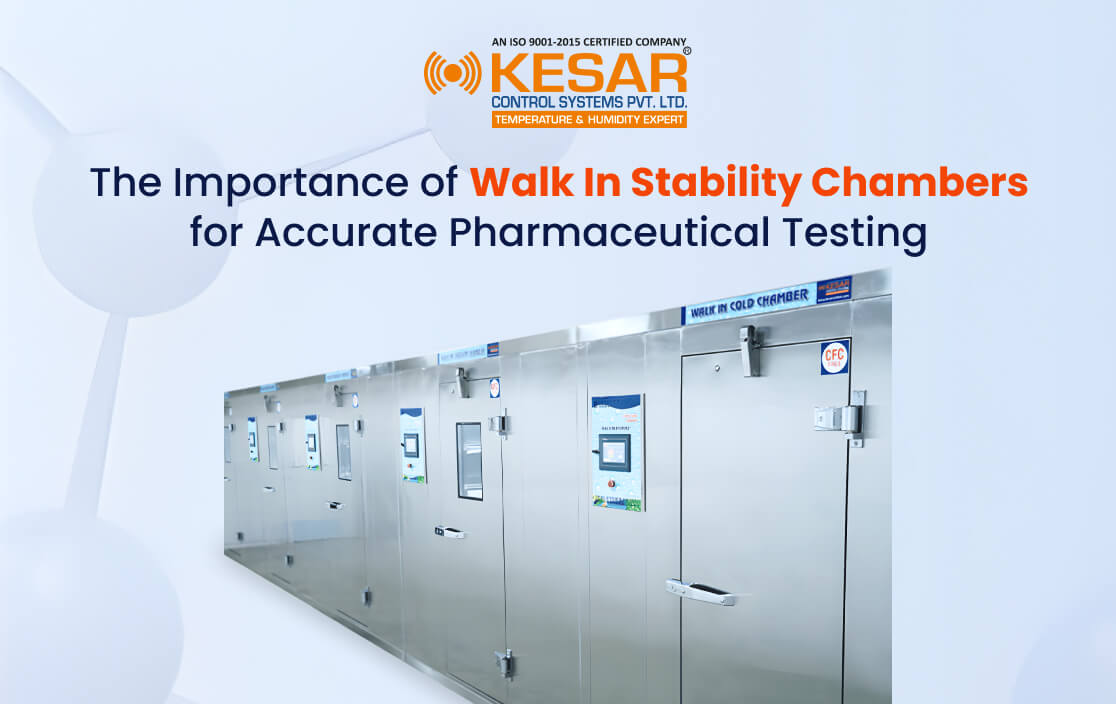
The Importance of Walk-In Stability Chambers for Accurate Pharmaceutical Testing
In the highly regulated pharmaceutical industry, ensuring product stability is essential for safety, efficacy, and compliance. Environmental condition...
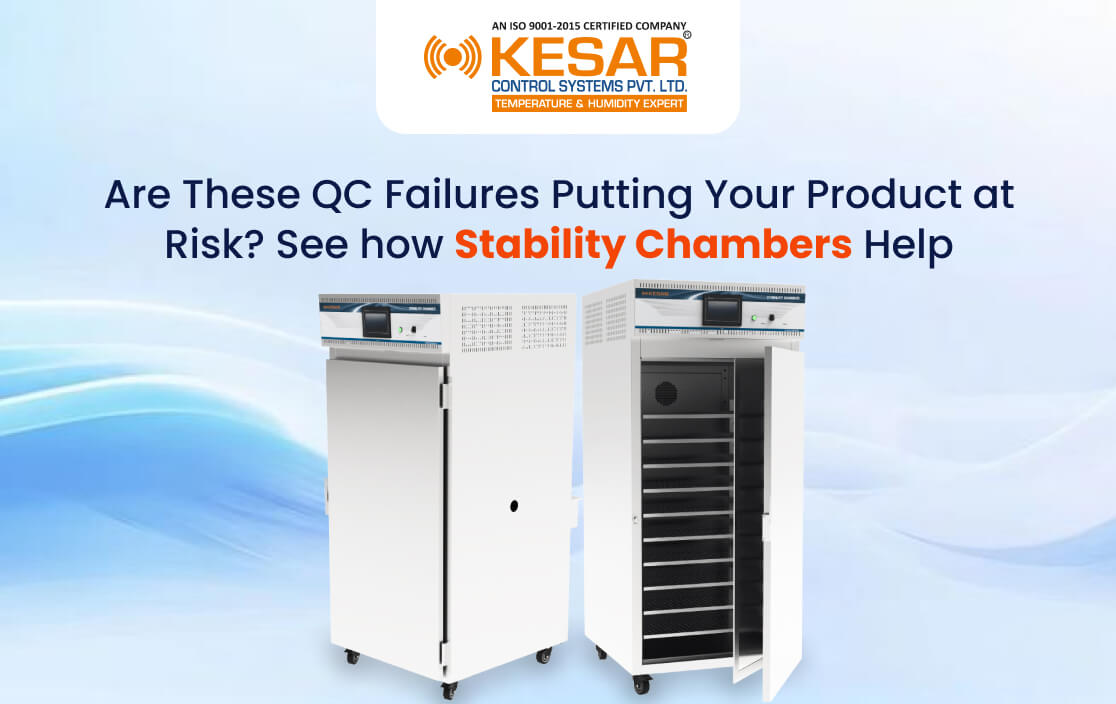
Are These QC Failures Putting Your Product at Risk? See How Stability Chambers Help
Quality control is the backbone of any product-driven industry. Whether you are manufacturing pharmaceutical drugs, food products, cosmetics, or speci...
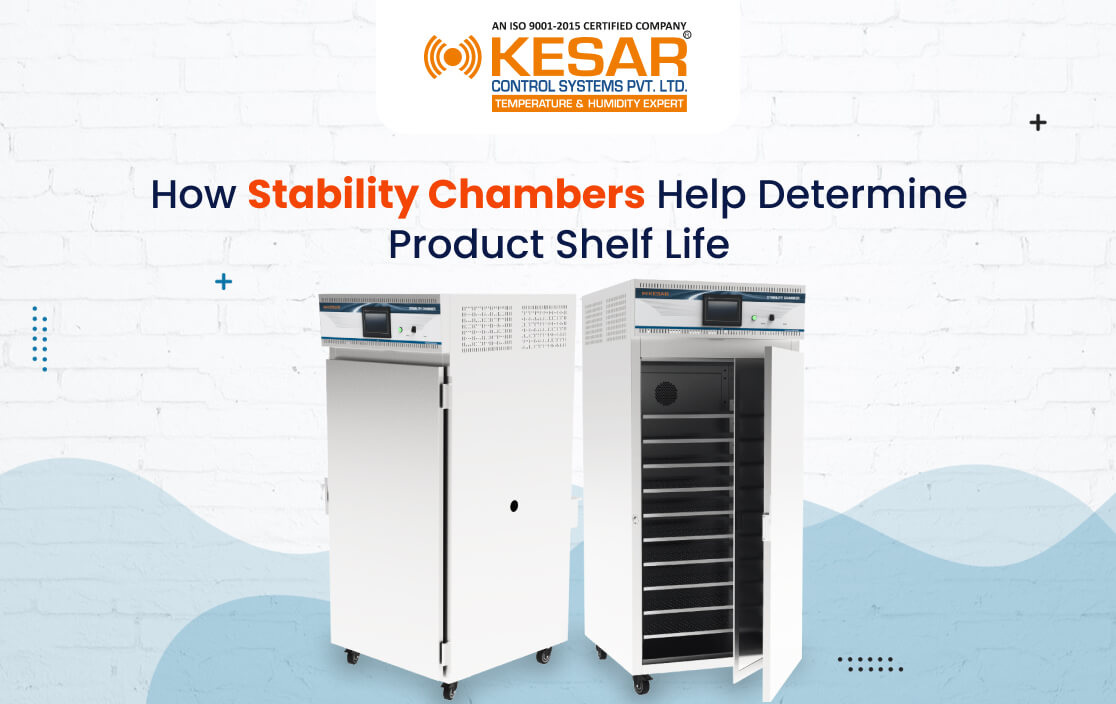
How Stability Chambers Help Determine Product Shelf Life
When you buy a medicine, you expect it to be safe and work well until the expiry date. Have you ever thought about how companies figure out that a med...
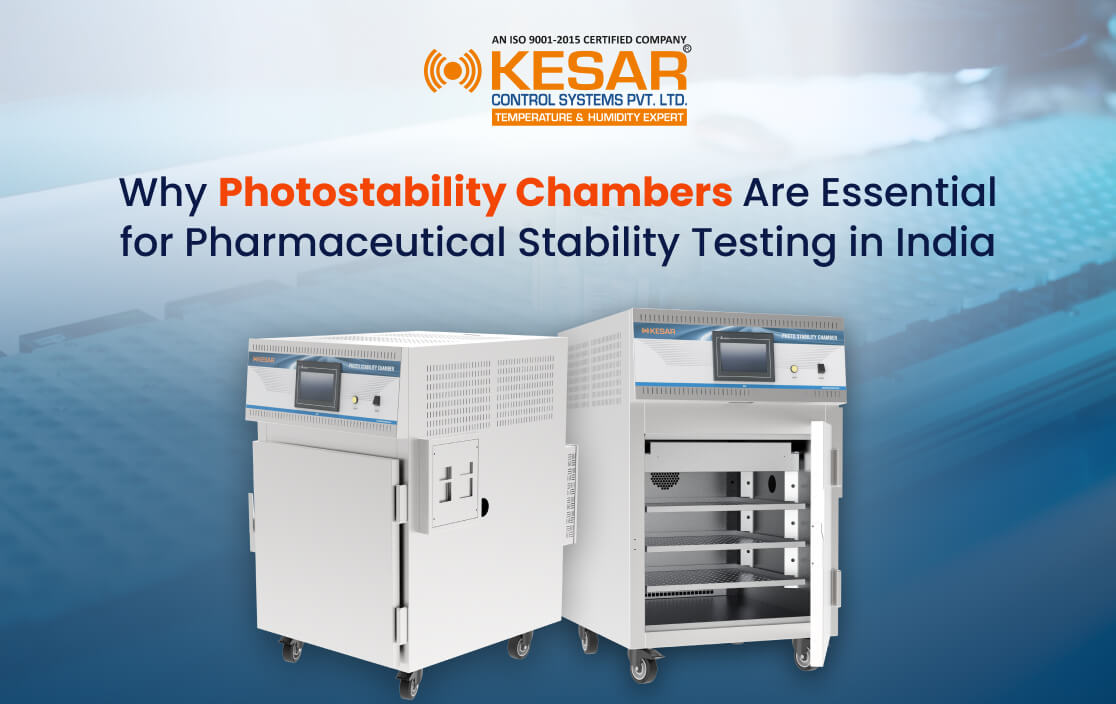
Why Photostability Chambers Are Essential for Pharmaceutical Stability Testing in India
Advanced Photostability Chamber for ICH-Compliant Stability Testing Kesar Control Systems is a trusted photostability chamber manufacturer in India...

Why Indian Pharma Companies Prefer Advanced Humidity Chamber Manufacturers in India
Introduction The Indian pharmaceutical industry is experiencing rapid growth due to increasing global demand, rising exports, and strict regulatory...