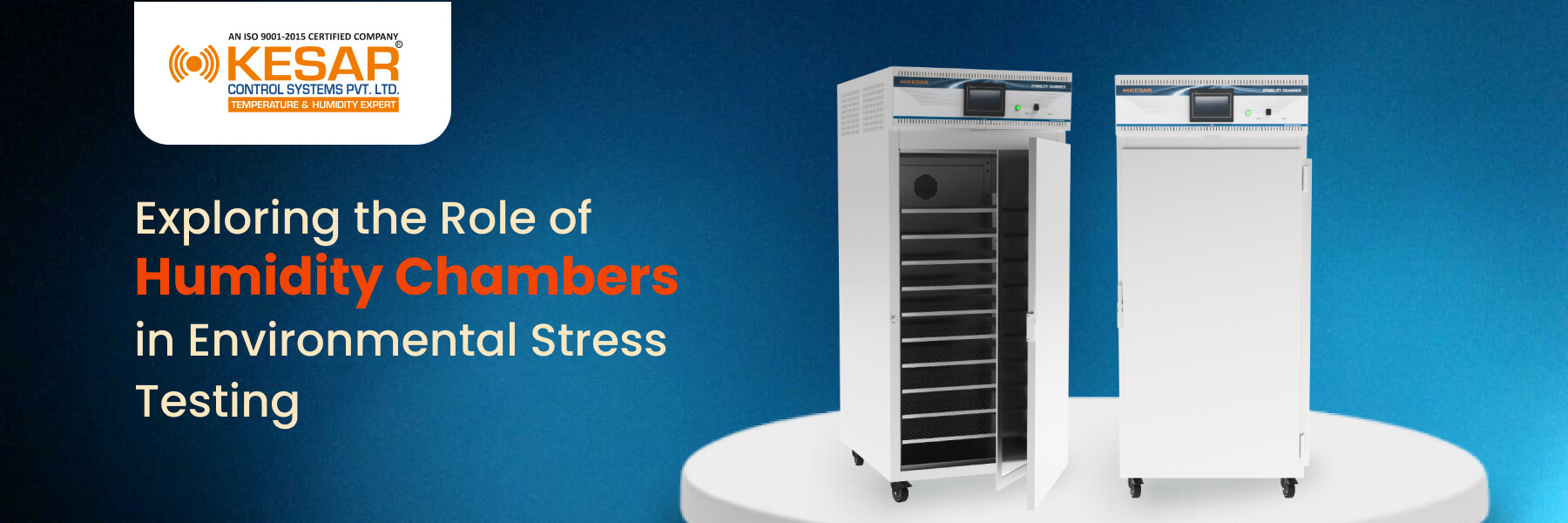
Exploring the Role of Humidity Chambers in Environmental Stress Testing
In today’s quality-driven industries, products must perform reliably under varying environmental conditions. From pharmaceuticals and electronics to automotive components and packaging materials, exposure to moisture and temperature fluctuations can significantly affect performance, safety, and lifespan. This makes environmental stress testing a crucial step in product development, and the humidity chamber is one of the most important systems used in this process.
As a trusted humidity chamber manufacturer in India, Kesar Control provides advanced environmental testing solutions that help industries simulate real-world climatic conditions in a controlled laboratory environment.
What Is Environmental Stress Testing?
Environmental stress testing (EST) evaluates how products behave when subjected to extreme environmental conditions. These tests commonly include:
- High and low temperature conditions
- Controlled humidity exposure
- Rapid temperature transitions
- Condensation testing
- Long-duration climate simulation
The objective is to identify weaknesses such as corrosion, material degradation, structural instability, and performance failure early in the product lifecycle.
Understanding a Humidity Chamber
A humidity chamber is specialized equipment designed to maintain precise temperature and relative humidity (RH) levels. It recreates real environmental conditions, enabling manufacturers and researchers to analyze how products react to moisture and heat stress.
As an experienced humidity chamber manufacturer, Kesar Control designs chambers that offer:
- Accurate and stable humidity control
- Uniform temperature distribution
- Programmable test cycles
- Long-term testing reliability
- Consistent airflow for uniform exposure
These features ensure repeatable, standards-compliant testing for critical applications.
Why Humidity Is a Major Environmental Stress Factor
Humidity is one of the most damaging environmental elements for materials and products. Excess moisture can lead to:
- Corrosion in metal components
- Swelling or warping of polymers
- Delamination of layered materials
- Electrical failures caused by condensation
- Microbial growth in sensitive environments
By using a high-precision humidity chamber, manufacturers can study these risks and implement design improvements before products reach the market.
Engineered for Precision and Compliance
As a leading humidity chamber manufacturer in India, Kesar Control designs systems that deliver accurate and stable environmental conditions required for critical testing applications. Every humidity chamber is engineered to operate within a temperature range of 20℃ to 60℃ and a humidity range of 40% RH to 95% RH, allowing precise simulation of controlled climatic environments.
With an accuracy of ±0.2℃ and ±2.0% RH, along with uniformity maintained at ±2.0℃ and ±3.0% RH, the chambers ensure repeatable and standards-compliant testing performance. These systems are suitable for widely accepted stability conditions such as 25℃ & 60% RH, 30℃ & 65% RH, 40℃ & 75% RH, and 30℃ & 75% RH.
For applications requiring specialized environmental control, Kesar Control also offers specially designed humidity chambers for low humidity conditions including 25℃ & 40% RH, 40℃ & 25% RH, and 30℃ & 35% RH. Equipped with advanced PLC or PID-based control systems, the chambers provide reliable monitoring, precise control, and long-term operational stability.
This technical precision ensures that industries relying on environmental stress testing receive consistent, accurate, and dependable results.
Key Roles of Humidity Chambers in Environmental Stress Testing
1. Product Reliability Testing
Humidity exposure gradually weakens materials and components. A humidity chamber helps determine product reliability under prolonged humid conditions, especially for electronics and mechanical systems.
2. Accelerated Aging Studies
By combining high temperature and humidity, chambers simulate years of environmental exposure in a shorter period. This helps predict product lifespan and long-term durability.
3. Material Performance Evaluation
Materials such as plastics, adhesives, coatings, and sealants may behave differently under moisture stress. Testing ensures they retain structural and functional integrity.
4. Corrosion Resistance Testing
Humidity chambers help assess rust formation, coating performance, and the effectiveness of protective treatments on metal components.
5. Pharmaceutical Stability Testing
In pharmaceutical applications, controlled humidity conditions are essential for evaluating drug stability, packaging effectiveness, and shelf-life performance.
6. Packaging Validation
Packaging must safeguard products against environmental exposure. Humidity testing ensures materials maintain their barrier properties under real-world conditions.
Industries Served
Humidity chambers from Kesar Control, a leading humidity chamber manufacturer in India, are widely used in:
Pharmaceuticals, electronics, automotive manufacturing, aerospace, packaging industries, and research laboratories where environmental reliability is critical.
Benefits of Using a Humidity Chamber
Using a humidity chamber for environmental stress testing offers:
- Early detection of design and material flaws
- Improved product reliability and lifespan
- Reduced risk of field failures
- Compliance with global testing standards
- Faster product validation and development cycles
Conclusion
A humidity chamber plays a vital role in environmental stress testing by helping industries ensure product durability, safety, and compliance. Choosing an experienced humidity chamber manufacturer like Kesar Control ensures access to precision-engineered systems that deliver accurate, reliable, and repeatable results.
For organizations committed to quality and performance, partnering with a reputed humidity chamber manufacturer in India is a strategic step toward building products that perform consistently in real-world environments.
Read more about Exploring the Benefits of Humidity Chambers in Indian Manufacturing
Previous Blogs
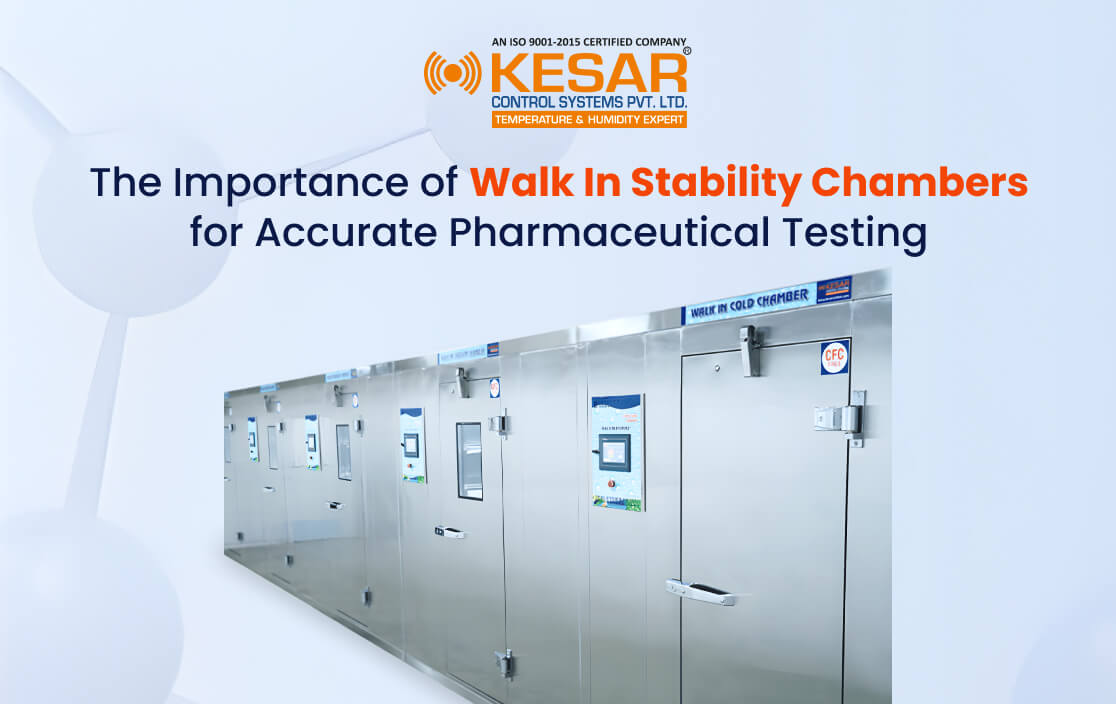
The Importance of Walk-In Stability Chambers for Accurate Pharmaceutical Testing
In the highly regulated pharmaceutical industry, ensuring product stability is essential for safety, efficacy, and compliance. Environmental condition...
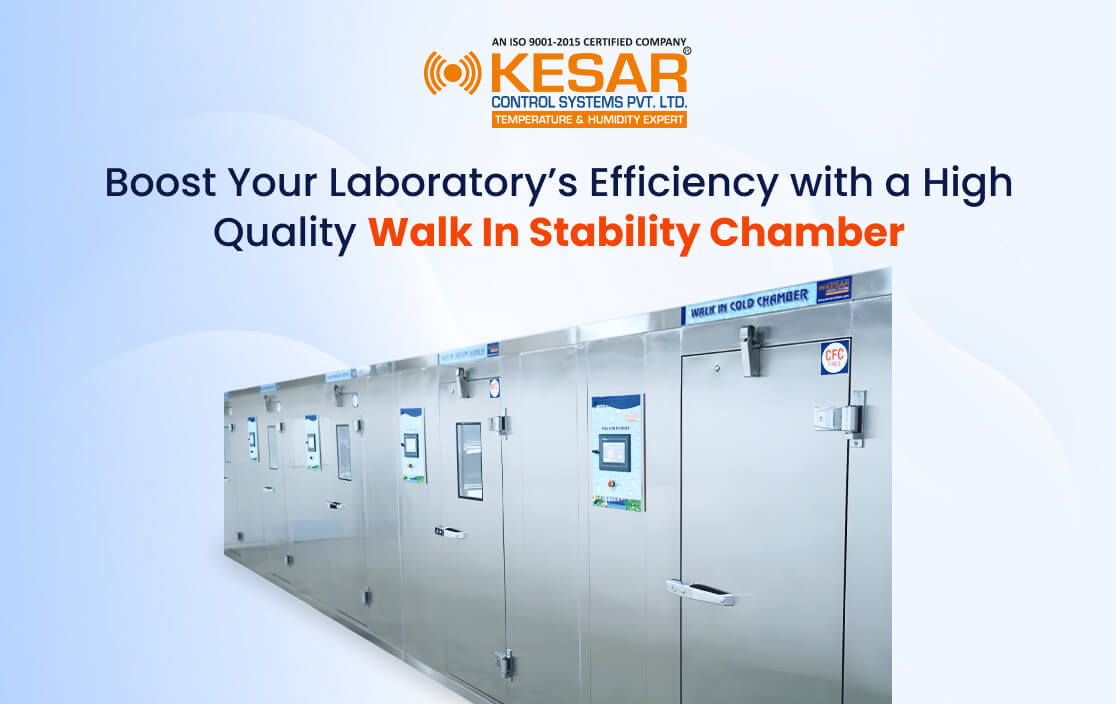
What Is a Stability Chamber and How Does It Work?
In industries where product quality, safety, and regulatory compliance are critical, understanding how products behave under different environmental c...
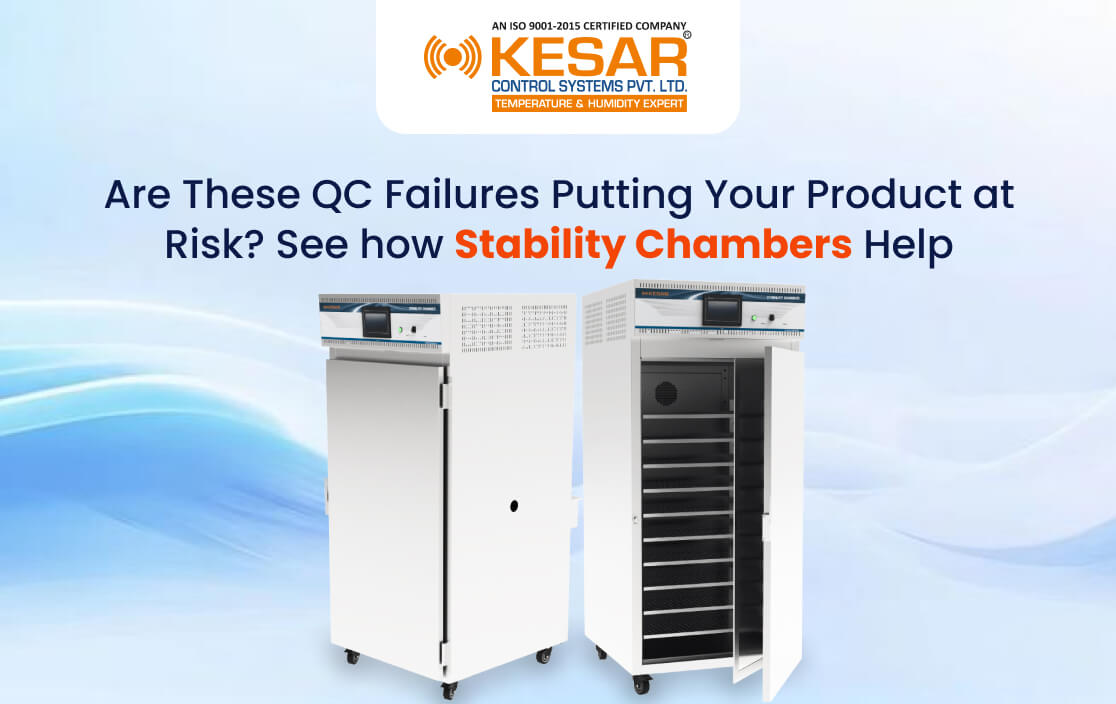
Are These QC Failures Putting Your Product at Risk? See How Stability Chambers Help
Quality control is the backbone of any product-driven industry. Whether you are manufacturing pharmaceutical drugs, food products, cosmetics, or speci...
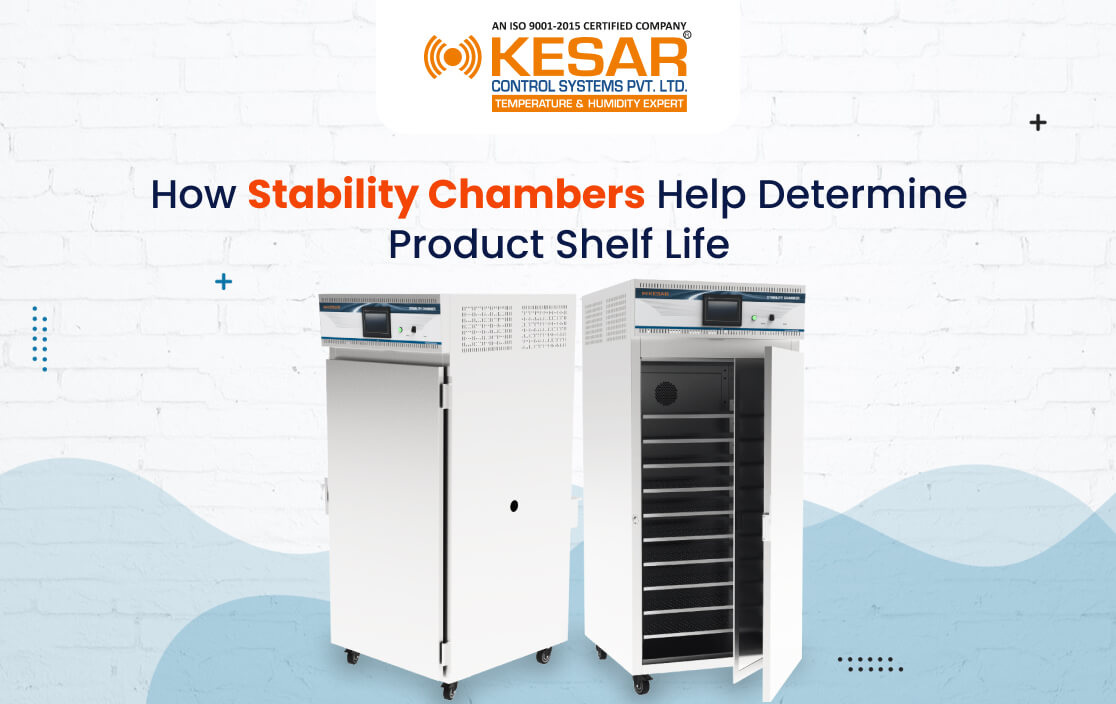
How Stability Chambers Help Determine Product Shelf Life
When you buy a medicine, you expect it to be safe and work well until the expiry date. Have you ever thought about how companies figure out that a med...
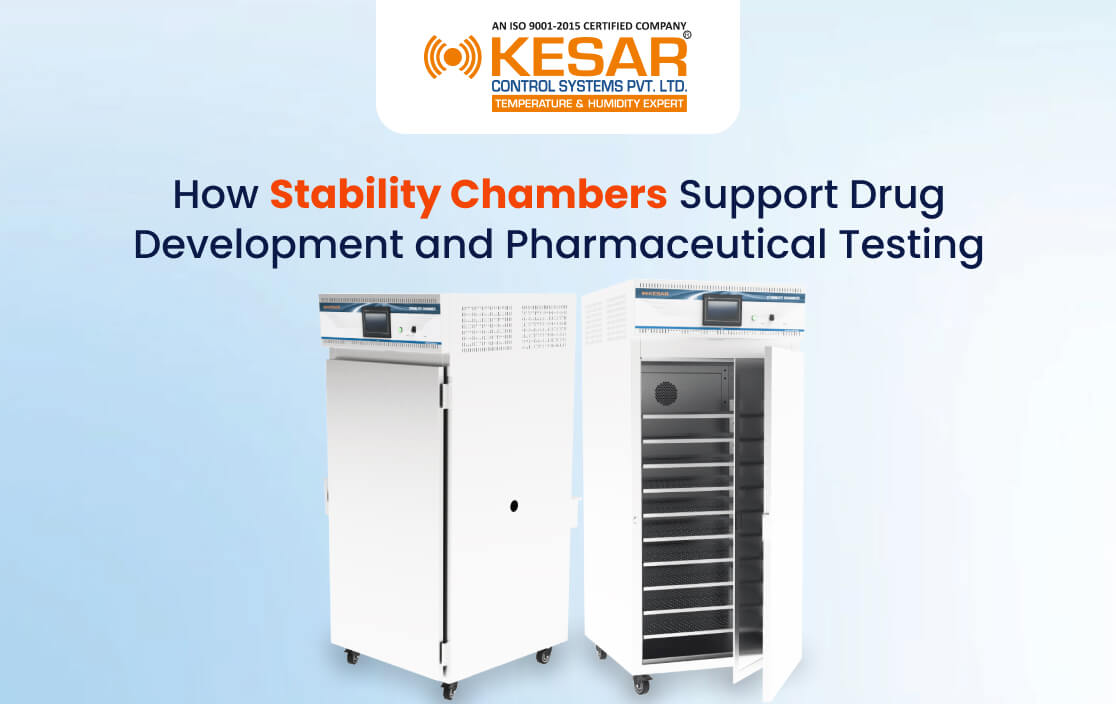
How Stability Chambers Support Drug Development and Pharmaceutical Testing
Introduction The pharmaceutical industry depends heavily on precision, consistency, and product safety. Before any medicine reaches the market, it...